



Single-Lgbt
A Motherhood Journey After Loss: Welcoming Twins from Her Late Husband’s Frozen Sperm
When Ms. Huang first contacted Uterus International Medical (UIM), her husband had passed away just two months earlier.
On the phone, she didn’t cry. Her voice was calm. She simply said:
“My husband left frozen sperm. I want to have his child.”
Later, we learned more about their story. They had been college sweethearts, building their lives together in the same city after graduation. Just as their lives were finally beginning to feel stable, pancreatic cancer arrived. From diagnosis to his passing, less than a year had gone by.
Her greatest regret was that they never had the chance to welcome a child together.
When we met in person, she sat quietly across from us, alone. I asked her gently:
“Have you thought this through? Raising a child on your own will not be easy. And in the future, if your life changes, this decision may become a burden.”
She was silent for a long time before answering.
“I know. But without him, I feel like I’ve lost everything. Since he passed away, I haven’t been able to sleep at night. I keep asking myself all the practical questions — whether I can afford to raise a child, what I would do if the child became ill, and what I would say one day when they ask about their father.
“I don’t have perfect answers,” she said quietly.
“But this… this is the last piece of him that remains with me.”
Her husband had preserved sperm earlier for medical reasons, but the amount was limited. In the end, only five embryos were successfully developed.
The first embryo transfer failed.
During the second attempt, two embryos were transferred — and the pregnancy was confirmed.
At the third-week ultrasound, two gestational sacs appeared. For the first time since we had met her, Ms. Huang smiled.
But the journey soon became complicated.
At the 8-week prenatal examination, doctors discovered that one embryo had split, resulting in a triplet pregnancy — a rare and high-risk situation. Multiple pregnancies significantly increase the risks of premature birth and complications for both the babies and the mother. Doctors recommended selective reduction.
However, reduction procedures themselves carry risks. In the worst case, all embryos could be lost.
Before a final decision could be made, another complication arose. Placenta previa with bleeding was discovered, making the situation extremely unstable. For a long time, the medical team had no choice but to monitor carefully and wait, hoping to avoid losing everything.
At 17 weeks, one fetus was lost naturally. Doctors did their best to preserve the remaining two, but about a month and a half later, the pregnancy could not continue.
The only hope left was the final two embryos.
At that moment, everyone fell silent. As a fertility agency, we could coordinate medical care, connect her with doctors, and help arrange the necessary support. But we could not promise success, and we could not decide whether she should continue this path.
Raising a child alone brings many questions — emotional, practical, and financial. Those decisions could only be hers.
After a long pause, she said something we still remember clearly:
“If I don’t try this last chance, I will regret it for the rest of my life.”
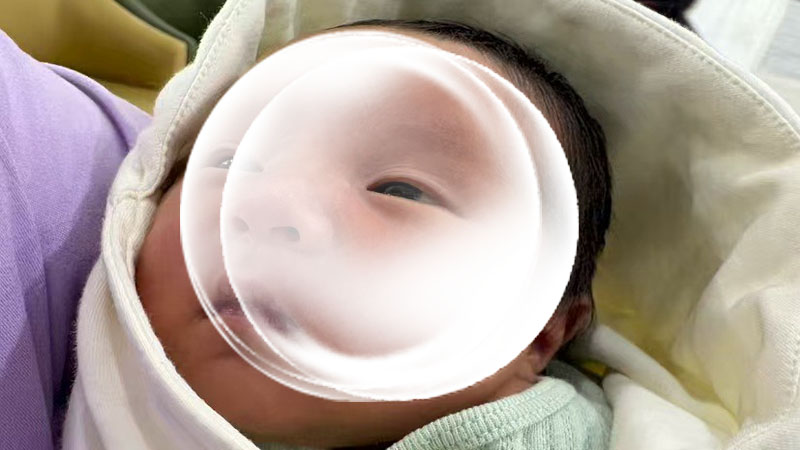
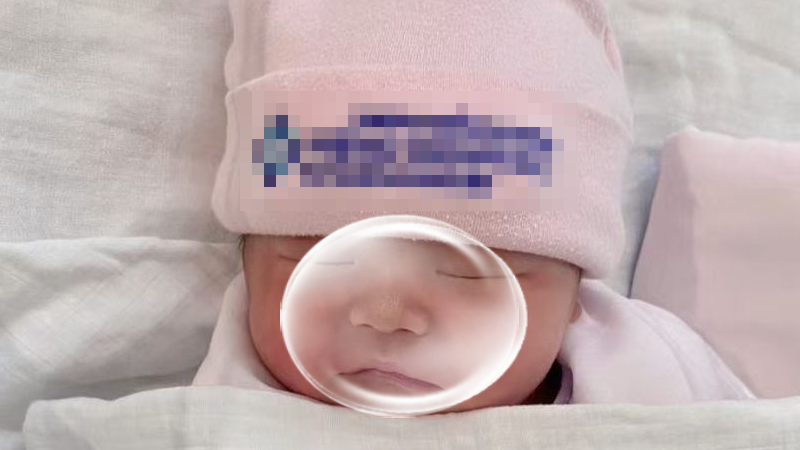
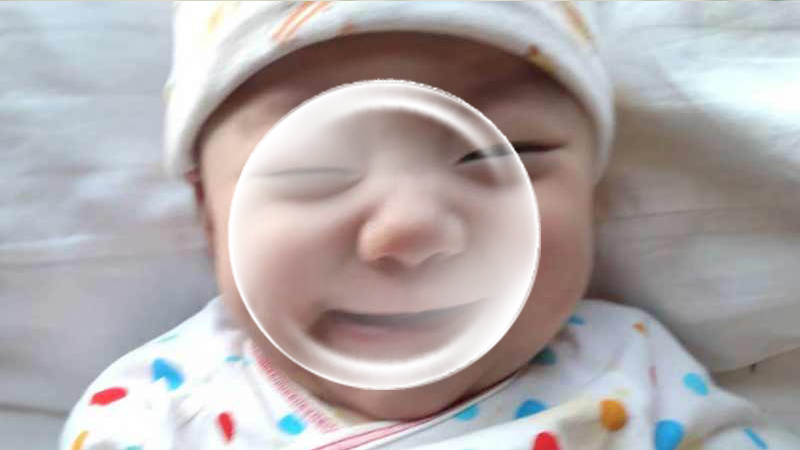
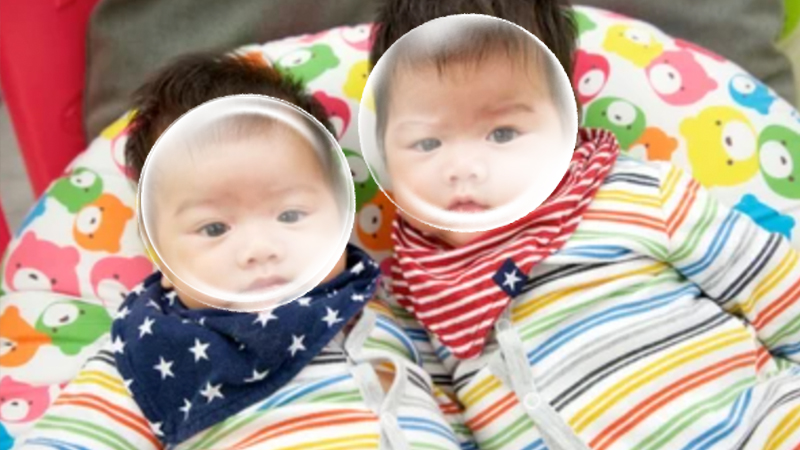
A year and a half later, those final two embryos resulted in the birth of twin babies.
On the day the babies were born, we went to visit her. She held the two newborns in her arms and said softly:
“Do you believe it? They look exactly like him.”
I believed her.
But what I remember even more clearly was something else.
After signing the final documents, she suddenly looked up and asked:
“Do you think I can raise them well by myself?”
For a few seconds, I didn’t know how to answer.
But when I saw her holding the babies — the determination in her eyes, no longer empty but steady and strong — I understood something.
This was her choice.
We walked part of the journey with her. The rest of the road is hers to travel.
Whether it was the right decision is not for us to judge. We only know that this was what she wanted, and we helped her reach that moment.
The rest is simply our blessing for her and her family.
Walking the Journey Together
The path of IVF is rarely simple. Behind every success are moments of uncertainty, difficult decisions, and courage.
During Ms. Huang’s journey, our team helped coordinate medical evaluations, communicate with specialists, and ensure she had professional support at every stage. During the most difficult period, psychological counseling was also arranged so she would not have to face everything alone.
After the babies were born, we continued assisting with documentation and practical arrangements so she could focus on her new life as a mother.
In truth, every family who begins this journey faces difficult choices. What we can offer is professional guidance, reliable medical partnerships, and steady support along the way.
No two journeys are the same, but no one has to walk it alone.